

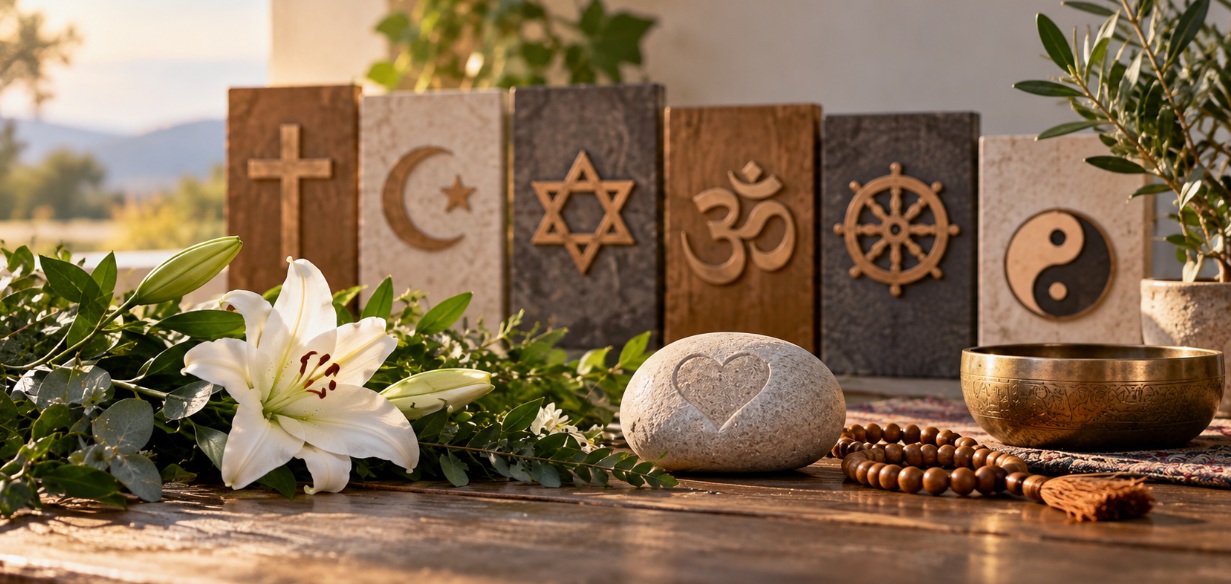
When families plan a farewell, faith can shape everything from prayers and ceremonies to the way a loved one is laid to rest. Families considering Largo, FL cremation services may wonder whether cremation can fit respectfully within their religious beliefs and family traditions. The answer often depends on the teachings of a particular faith, denomination, congregation, and individual family. We believe the most meaningful arrangements begin by listening carefully and respecting the beliefs that give each family comfort.
Religious customs can provide structure during grief, yet families do not always follow traditions in exactly the same way. Some observe established practices closely, while others combine spiritual customs with personal forms of remembrance. In the middle of these decisions, Veterans Funeral Care helps families consider arrangements with patience and respect, including the special ceremonial needs of veterans and military families. Our role is not to interpret religious doctrine, but to help families carry out their wishes once they have determined what is appropriate for their beliefs.
Faith Can Shape Cremation Decisions
Religious beliefs often influence how families approach death, remembrance, and final arrangements. Some faith traditions have accepted cremation for generations, while others have changed their guidance over time. There are also traditions in which cremation remains discouraged or prohibited. Because practices can vary even within the same religion, we encourage families to consider the teachings of their own congregation and speak with a trusted clergy member or spiritual adviser when questions arise.
This individual approach matters because choosing cremation does not automatically determine what the rest of a farewell must look like. A family may still hold prayers, readings, a visitation, a funeral ceremony, a memorial gathering, or another observance that reflects its beliefs. Timing and ceremonial requirements may influence whether particular rituals occur before or after cremation.
Rather than assuming that one practice works for every family, thoughtful funeral planning makes room for these differences. When religious guidance and family wishes are clearly communicated, funeral professionals can coordinate the practical details around them. This allows families to preserve meaningful customs while creating a farewell that reflects the person they are remembering.
Traditions Can Remain Part of Farewell
Cremation and ceremony are not mutually exclusive. Families can often incorporate meaningful traditions into a service before or after cremation, depending on their religious requirements and personal preferences. Prayer, sacred readings, music, blessings, moments of silence, and participation from clergy can all help create a familiar spiritual setting.
This flexibility can be especially meaningful when several generations are involved. Older relatives may feel strongly connected to traditional practices, while younger family members may prefer a different approach to remembrance. A carefully planned ceremony can provide room for both perspectives without losing sight of the family’s shared beliefs.
Families considering how ceremony and cremation can work together may find that a viewing or service can accompany cremation when it aligns with their traditions. The important consideration is whether the arrangement respects the requirements of the family’s faith and the wishes of the person being honored.
We can help coordinate the practical elements once those preferences are established. That may include scheduling a service, working with clergy, arranging meaningful ceremonial details, or allowing relatives to participate in ways that bring comfort and connection.
Personal Values Influence Modern Choices
Faith is deeply personal, and religious identity does not always translate into one specific type of funeral arrangement. Two families from the same tradition may make different choices based on personal convictions, family customs, guidance from clergy, or the wishes expressed by their loved one.
This is one reason compassionate funeral planning begins with questions rather than assumptions. We want families to have room to explain which traditions matter, which customs they want included, and how they would like relatives and friends to participate. Listening helps ensure the resulting service feels authentic rather than standardized.
Modern families may also include relatives with different religious backgrounds. In those circumstances, a memorial can sometimes incorporate elements that respectfully acknowledge more than one tradition. Families might select meaningful readings, music, prayers, or periods of reflection that allow everyone to participate comfortably.
What matters most is thoughtful coordination. Funeral professionals can help carry out the family’s decisions, but questions about religious rules are best discussed with an appropriate faith leader. This distinction allows spiritual guidance to remain with those qualified to provide it while funeral professionals focus on creating a respectful setting for remembrance.
Veterans Can Receive Meaningful Honors
For veteran families, religious traditions may be only one part of the farewell. Military service can carry its own ceremonies and symbols, and families may wish to incorporate those elements alongside prayers, readings, or other spiritual practices. These forms of remembrance can complement one another when they are coordinated thoughtfully.
Military honors can provide a powerful acknowledgment of service without replacing the family’s religious customs. Depending on eligibility and family wishes, veteran arrangements may involve a burial flag, military honors, or coordination with a National Cemetery. The Veterans Funeral Care website states that its Veterans Service Bundle includes assistance with VA claims, referrals to veteran service officers, National Cemetery coordination, and requests for military honors and burial flags.
Families can also consider pre-arrangements that document important wishes, including preferences about ceremonies, faith traditions, and military recognition. Recording these choices can provide relatives with clearer direction later.
When spiritual traditions and military honors are both important, careful planning helps each element have an appropriate place. The result can acknowledge a veteran’s service while remaining faithful to the beliefs that shaped that person’s life and family.
Respect Begins with Listening Carefully
Respectful funeral care does not require families to fit into a predetermined format. It requires funeral professionals to listen, communicate clearly, and understand that customs surrounding death can carry profound spiritual and emotional meaning. Families should feel comfortable explaining what matters to them without worrying that their traditions will be treated as unusual.
Listening is particularly important when religious customs involve specific timing, prayers, handling practices, or participation by clergy and relatives. Funeral professionals need clear information so arrangements can be coordinated appropriately. When there is uncertainty about a religious requirement, families can seek direction from their faith leader before finalizing plans.
We also recognize that grief can make these conversations difficult. Clear explanations and patient guidance can help relatives work through practical decisions without feeling rushed. Our brand approach emphasizes flexibility and personalized care, including support for veteran families whose arrangements may involve military traditions in addition to personal or religious preferences.
Ultimately, respect comes from recognizing that all family’s beliefs deserve careful consideration. Funeral care can support those beliefs by creating space for meaningful traditions rather than deciding what those traditions should be.
Choosing a farewell that reflects faith, family traditions, and personal wishes can bring greater meaning to an emotionally difficult time. When considering Largo, FL cremation services, families can benefit from discussing religious requirements with their clergy while working with funeral professionals who can coordinate the practical details. Veterans Funeral Care understands that veteran families may also want military honors woven respectfully into these traditions. Our goal is to help families carry out arrangements with clarity, dignity, and attention to what matters most. For guidance about available arrangements and veteran honors, see how our team can help your family or call (727) 524-9202 to know your options.